1. Types of Data Loggers
Industrial data loggers are available in a wide range of configurations designed to address specific measurement applications, and selecting the right device type for each monitoring point is the first step toward building an effective and reliable monitoring system. Esis works with NSW clients to assess their exact requirements and recommend the precise logger types that deliver accurate, consistent data for their specific facility environment and industry context.
Temperature Data Loggers
Temperature data loggers are among the most widely deployed monitoring devices across NSW industrial facilities, covering applications from cold chain storage and pharmaceutical warehousing to manufacturing process control and food production environments. These loggers range from compact single-channel USB devices used for transport monitoring to sophisticated multi-probe systems capable of tracking dozens of measurement points simultaneously across large temperature-controlled spaces.
Humidity & Combined Temperature-Humidity Loggers
Humidity and combined temperature-humidity loggers are essential in any environment where moisture content affects product integrity, material stability, or equipment performance. NSW industries including food processing, electronics assembly, timber manufacturing, and archival storage rely on these dual-parameter devices to maintain the precise environmental conditions their operations require and to document compliance with relevant storage and production standards.
Energy & Power Data Loggers
Energy and power data loggers capture electrical parameters including voltage, current, active power, reactive power, power factor, and kilowatt-hour consumption at the circuit or equipment level. These devices are the cornerstone of any serious energy management program for NSW industrial and commercial facilities, providing the granular consumption data that identifies waste, verifies efficiency improvements, and supports mandatory energy reporting obligations.
Pressure, Flow & Differential Pressure Loggers
Pressure, flow, and differential pressure data loggers serve critical roles in industrial processes involving compressed air networks, hydraulic systems, HVAC infrastructure, water treatment, and gas distribution. Continuous monitoring of these parameters detects leaks, blockages, and system degradation early, protecting both process continuity and the significant energy investment that compressed and pressurised systems represent in most NSW industrial facilities.
Vibration & Shock Data Loggers
Vibration and shock data loggers support condition monitoring programs for rotating plant and machinery across NSW manufacturing and processing facilities. By continuously recording vibration signatures from motors, pumps, compressors, and fans, these devices enable maintenance teams to track bearing wear and mechanical degradation over time, transitioning from reactive breakdown maintenance to planned predictive interventions that reduce downtime and extend equipment service life.
Multi-Channel & Universal Input Loggers
Multi-channel and universal input loggers represent the most versatile platform in the industrial data logger range, accepting inputs from thermocouples, RTDs, 4-20mA transmitters, pulse outputs, voltage signals, and digital status contacts within a single configurable device. These systems are ideal for complex industrial applications where multiple diverse parameters must be monitored simultaneously, simplifying infrastructure, reducing hardware costs, and creating a unified data stream that supports comprehensive facility-wide analysis.

2. Energy & Power Monitoring
Energy and power monitoring is one of the highest-return applications of industrial data logging for NSW businesses, where rising electricity costs, mandatory reporting obligations, and increasing pressure to demonstrate measurable sustainability progress make continuous consumption visibility a commercial and operational necessity rather than an optional enhancement. Esis delivers energy monitoring solutions that give NSW facilities the precise, actionable data they need to reduce costs and improve performance.
Sub-Metering & Demand Profiling
Sub-metering with energy data loggers breaks total facility consumption down to the level of individual machines, production lines, circuits, or building zones, replacing the single utility meter figure with a detailed map of exactly where power is being consumed and when. This granular visibility consistently exposes inefficiencies that are completely invisible at the meter level, from equipment operating unnecessarily during non-production hours to aging motors drawing significantly more current than modern efficient replacements would require.
Demand profiling is a financially significant capability of industrial energy data logging that many NSW businesses overlook until they understand how network tariffs are calculated. By recording consumption at short measurement intervals throughout the day, energy loggers identify the peak demand events that drive expensive capacity charges on electricity bills, giving facility managers the specific operational intelligence they need to manage those peaks through load scheduling, equipment staging, or targeted upgrades.
Power Quality Monitoring & ROI Verification
Power quality monitoring addresses a dimension of energy performance that goes beyond consumption measurement to capture the electrical conditions that affect equipment health, process reliability, and true energy efficiency. Voltage sags, harmonics, transients, and poor power factor identified through data logging allow NSW facility engineers to address root causes before they shorten equipment lifespans, cause nuisance tripping, or result in costly production interruptions that far exceed the cost of correction.
Verifying the return on investment from energy efficiency projects is one of the most practically valuable uses of power monitoring data for NSW industrial businesses. By comparing logged consumption from before and after the installation of variable speed drives, high-efficiency motors, LED lighting, or upgraded HVAC equipment, facilities produce objective, quantified evidence of the savings achieved, supporting both financial reporting to management and future capital expenditure proposals to the board.
Esis integrates energy monitoring data from industrial data loggers with reporting platforms and building management systems that transform raw measurements into clear operational intelligence for NSW clients. Automated reports, dashboard visualisations, and alert notifications give facility managers constant awareness of their energy performance without requiring manual data review, making sustained energy management a practical reality rather than a resource-intensive aspiration for even the most complex industrial sites.
3. Temperature & Humidity Logging
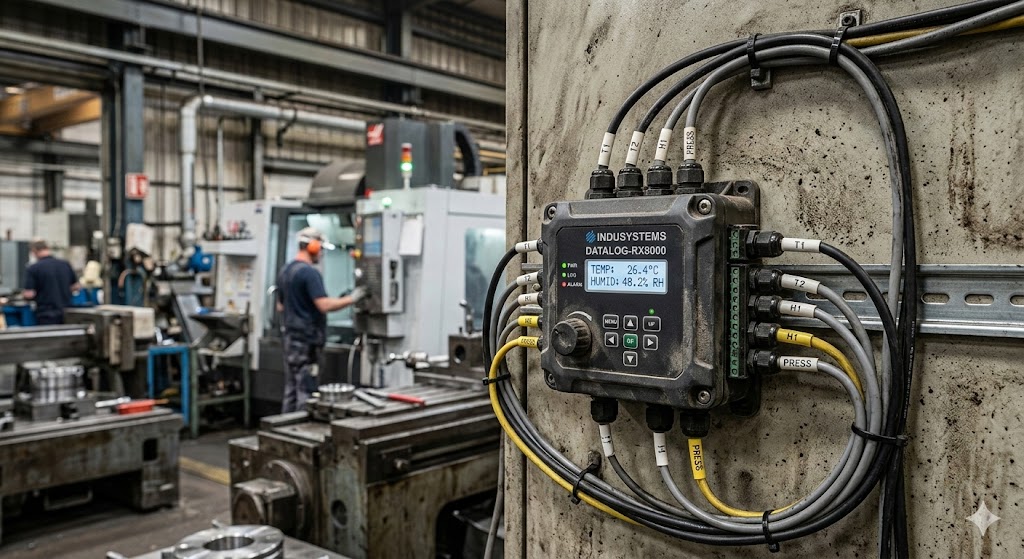
Temperature and humidity logging is a critical operational and compliance requirement for a broad range of NSW industries where environmental conditions directly determine product quality, regulatory standing, and workplace safety. Esis supplies validated temperature and humidity data loggers designed for the specific demands of industrial environments, providing the continuous, tamper-proof environmental records that NSW businesses need to operate with confidence and meet their monitoring obligations.
Cold Chain Monitoring
Cold chain monitoring represents one of the most consequential applications of temperature data logging across New South Wales, covering fresh produce distribution, seafood processing, dairy manufacturing, vaccine storage, blood product refrigeration, and temperature-sensitive pharmaceutical logistics. Data loggers placed at every stage of the cold chain create the unbroken monitoring record that food safety regulators and pharmaceutical compliance frameworks require, providing immediate evidence of excursions and complete audit trails for every batch handled.
Food Manufacturing & HACCP Compliance
Food manufacturing and processing facilities across NSW rely on temperature and humidity data loggers to support HACCP compliance by documenting conditions at critical control points throughout the production environment. Automated threshold alerts notify supervisors the moment temperatures drift outside acceptable ranges, enabling rapid corrective action that protects both product batches and the facility's compliance status before an excursion becomes a notifiable event or a product recall trigger.
Pharmaceutical & Medical Device Facilities
Pharmaceutical and medical device facilities in New South Wales operate under TGA Good Manufacturing Practice requirements that mandate continuous, validated monitoring of storage and production environments. Esis supplies data loggers that meet the specific validation, calibration, and documentation standards these regulated facilities require, providing the reliable environmental records that support both routine audits and the rigorous inspection processes that define pharmaceutical compliance in Australia.
Humidity Control & Real-Time Alarming
Humidity control is a primary operational concern in NSW industries including electronics assembly, where electrostatic discharge risk increases significantly with low humidity, and food packaging, where high humidity accelerates spoilage and compromises packaging integrity. Data loggers that continuously track humidity alongside temperature give quality managers the complete environmental picture needed to maintain production standards, prevent material waste, and satisfy the documentation requirements of customer and regulatory audits.
Esis temperature and humidity monitoring systems for NSW facilities include real-time alarming capabilities that deliver immediate notifications via SMS, email, or building management system integration when conditions exceed pre-set thresholds. This active alerting transforms the data logger from a passive recording tool into an early warning system that gives facility teams the response time they need to intervene before an environmental excursion causes irreversible damage to products, processes, or compliance records.
4. Wireless vs Wired Systems
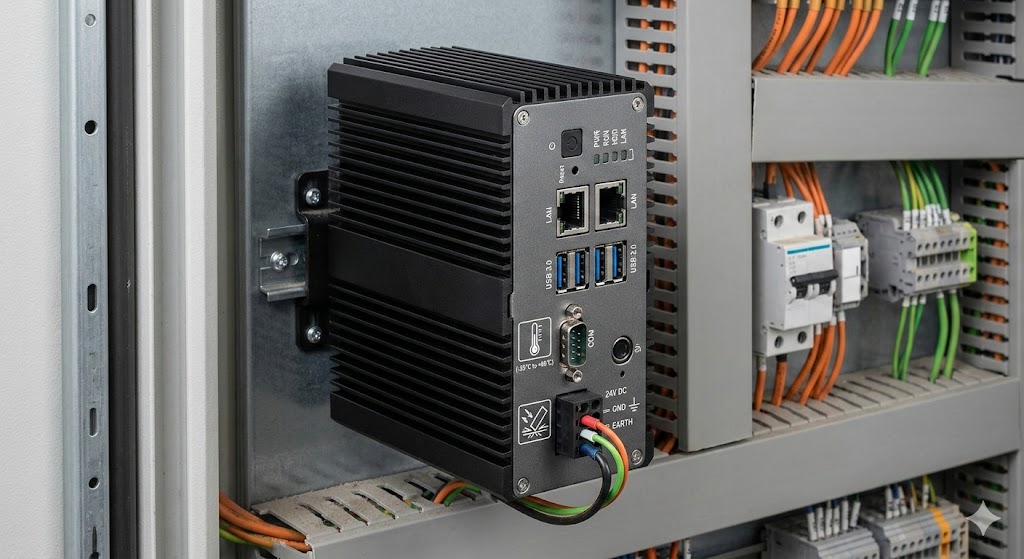
Choosing between wireless and wired data logging infrastructure is one of the most important decisions in any industrial monitoring system design, and the right choice depends on a careful assessment of your facility's physical environment, monitoring density, existing infrastructure, budget, and long-term scalability requirements. Esis engineers work with NSW clients to evaluate these factors objectively and design monitoring architectures that deliver reliable, cost-effective performance for the specific conditions of each site.
Wireless Data Logging Systems
Wireless data logging systems deliver exceptional deployment flexibility for NSW industrial facilities where running signal cables through complex plant environments would be prohibitively expensive, structurally impractical, or operationally disruptive. Battery-powered or energy-harvesting wireless loggers can be installed rapidly at virtually any location in a facility without electrical contractor involvement, significantly reducing both the initial deployment cost and the time from decision to operational monitoring.
Scalability is one of the most commercially attractive advantages of wireless data logging networks for NSW businesses whose monitoring requirements evolve as their operations grow or change. Expanding a wireless system typically requires nothing more than commissioning a new logger and registering it on the network, compared to the cable runs, conduit work, and associated installation costs that wired network expansion involves, making wireless infrastructure a particularly smart investment for dynamic industrial environments.
Wired Data Logging Solutions
Wired data logging solutions remain the preferred choice for applications where signal integrity, transmission reliability, and immunity to electromagnetic interference are paramount. NSW facilities operating heavy machinery, arc welding equipment, variable speed drives, or high-frequency process equipment may experience wireless signal degradation that makes hardwired connections the more dependable and ultimately more cost-effective infrastructure choice for critical monitoring points.
Power supply continuity is a consideration that frequently favours wired installations at permanently critical monitoring locations. Continuously powered wired loggers eliminate the battery maintenance requirements and the risk of data gaps caused by depleted cells in hard-to-access monitoring points, ensuring that the most important measurements in a NSW industrial facility are captured without interruption regardless of what is happening to maintenance schedules elsewhere in the operation.
Hybrid Architecture
A hybrid architecture combining wired infrastructure at permanently critical monitoring points with wireless devices for flexible, distributed, and temporary applications represents the optimal solution for many complex NSW industrial facilities. This approach captures the reliability of hardwired connections where they matter most while leveraging the deployment speed and adaptability of wireless technology across the broader monitoring network, delivering a comprehensive and future-ready system that neither approach used in isolation could achieve.
5. Server Room Monitoring
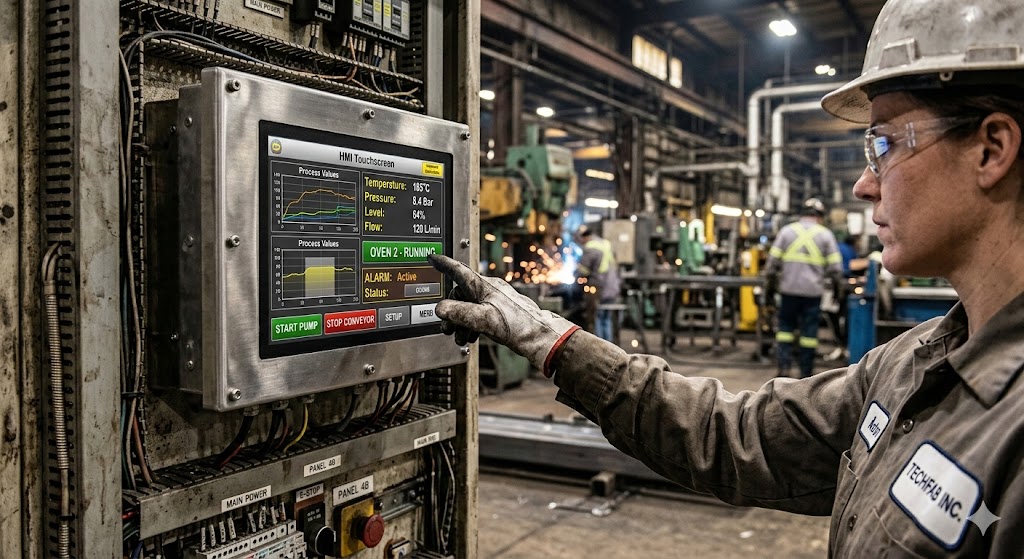
Server rooms and data centres represent some of the highest-value and highest-risk environments in any NSW organisation, where the consequences of undetected environmental excursions can range from costly equipment damage to catastrophic data loss and extended operational outages. Esis provides dedicated server room monitoring solutions that give IT and facilities managers continuous, real-time visibility over the environmental conditions that determine the reliability and longevity of critical computing infrastructure.
Temperature & Humidity Monitoring
Temperature monitoring is the most fundamental requirement of any server room environment management program, as IT equipment generates substantial heat loads that must be managed continuously to prevent thermal throttling, component failure, and unplanned system downtime. Data loggers placed at intake and exhaust points across server racks provide the precise temperature mapping that allows cooling system performance to be evaluated, hotspots to be identified, and airflow management to be optimised for maximum equipment protection and energy efficiency.
Humidity control in server rooms and data centres is equally critical, as both excessively low and excessively high relative humidity create distinct risks to computing equipment. Low humidity environments generate electrostatic discharge risks that can damage sensitive components, while high humidity promotes condensation and corrosion that degrades hardware reliability over time. Continuous humidity logging ensures NSW organisations maintain conditions within the tight parameters that equipment manufacturers specify and industry standards such as ASHRAE require.
Water Detection & Power Monitoring
Water and leak detection monitoring is an essential layer of protection for server rooms located in areas with overhead water pipes, air conditioning drain lines, or elevated flood risk. Esis integrates water detection sensors with data logging and alerting systems that provide immediate notification of moisture presence at floor level or beneath raised flooring systems, giving facilities teams the response time needed to prevent what would otherwise be an undetected leak from becoming a devastating equipment loss event.
Power monitoring for server rooms and data centres captures UPS status, PDU load distribution, and total IT load consumption alongside environmental parameters, giving NSW organisations a complete operational picture of their critical infrastructure environment. Continuous power logging identifies load imbalances, tracks UPS battery condition, monitors generator runtime, and provides the consumption data needed for accurate capacity planning and energy cost allocation across the IT infrastructure.
Esis server room monitoring systems deliver real-time alerting through multiple channels including email, SMS, SNMP traps, and integration with existing IT management platforms, ensuring that the right people are notified immediately when any monitored parameter moves outside acceptable bounds regardless of the time of day or night. For NSW organisations whose operations depend on continuous IT system availability, this around-the-clock vigilance from an automated monitoring system provides the assurance that critical infrastructure is protected at all times.
6. Compliance & Reporting
Compliance and reporting represent two of the most practically significant drivers of industrial data logger investment for NSW businesses, as the documentation obligations imposed by Australian regulators, industry standards bodies, and customer audit requirements have become both more demanding and more rigorously enforced in recent years. Esis designs monitoring systems that treat compliance reporting as an automated output of good monitoring practice rather than a separate administrative burden placed on already stretched operational teams.
Food Safety & FSANZ Compliance
Food safety compliance under the Food Standards Australia New Zealand Code requires food businesses across New South Wales to maintain verifiable records of temperature control at every stage of production, storage, and distribution. Data loggers that automatically record and store this information remove the reliance on manual temperature checks that are subject to human error, gaps in coverage, and the practical impossibility of continuous manual monitoring, replacing them with an objective, auditable digital record that satisfies regulatory requirements and provides genuine operational assurance.
TGA GMP & Pharmaceutical Compliance
Pharmaceutical and medical device manufacturers in NSW must satisfy TGA Good Manufacturing Practice requirements for environmental monitoring that specify not only what must be measured but how monitoring equipment must be validated, calibrated, and maintained. Esis supplies and supports validated data logging systems that meet these specific technical and documentary requirements, providing NSW pharmaceutical clients with monitoring infrastructure that supports both routine GMP compliance and the rigorous audit processes that accompany TGA licensing and product registration.
NGER Reporting & Cold Chain Documentation
The National Greenhouse and Energy Reporting scheme imposes mandatory energy consumption monitoring and reporting obligations on large energy users across Australia, including many NSW manufacturing, mining, and utilities operations. Data loggers that continuously capture energy consumption at the required measurement points generate the precise consumption data that NGER reports require, replacing estimation methods with verifiable metered figures and significantly reducing the risk of regulatory challenge or penalty for non-compliance.
Cold chain documentation requirements for pharmaceutical logistics, vaccine distribution, and temperature-sensitive food transport in NSW demand unbroken monitoring records that demonstrate conditions remained within specified ranges throughout every stage of the supply chain. Esis data logging solutions for transport and logistics applications produce the complete, time-stamped temperature records that these requirements demand, with reporting formats designed to meet the specific documentation standards of both Australian regulators and international pharmaceutical supply chain requirements.
Automated compliance reporting from Esis monitoring systems delivers the right data in the right format to the right people at the right time, whether that means daily cold storage temperature summaries for a food manufacturer's quality team, monthly energy consumption reports for a facility's sustainability officer, or on-demand audit packs for a pharmaceutical client preparing for a regulatory inspection. By making compliance reporting an automatic outcome of the monitoring system rather than a manual compilation exercise, Esis saves NSW clients significant time and cost while simultaneously improving the accuracy and completeness of their compliance documentation.
7. Why Choose Esis
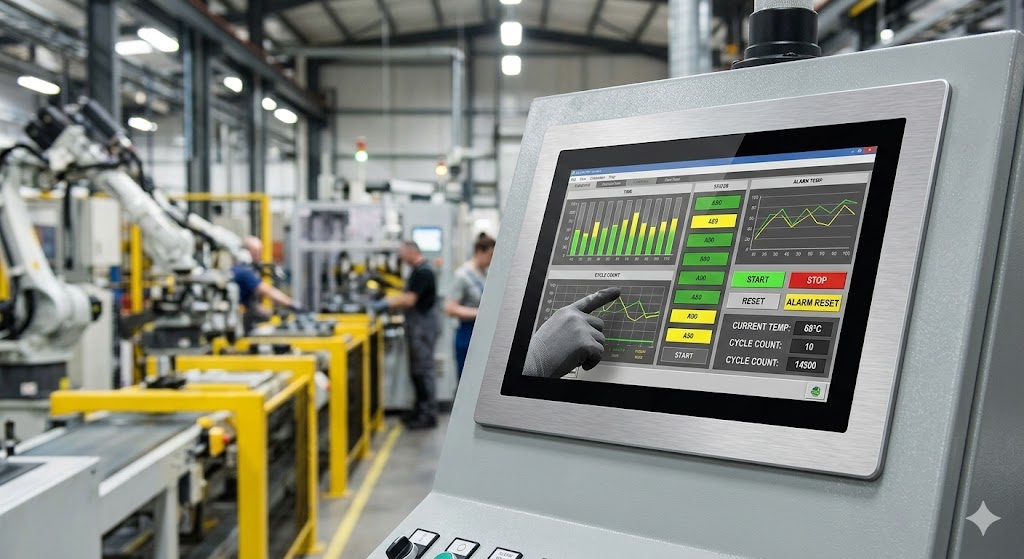
Esis brings decades of industrial monitoring experience to NSW businesses across every major sector, combining technical expertise in data logging hardware and software with deep knowledge of the Australian regulatory landscape, local industry standards, and the practical operational realities of facilities ranging from small manufacturers to large-scale utilities and healthcare infrastructure. Our track record of successful monitoring deployments across New South Wales makes us the partner of choice for organisations that need more than just equipment supply.
Our approach to every data logging and monitoring project begins with a thorough site assessment and needs analysis that ensures the solution we design is precisely matched to your facility's specific requirements, constraints, and objectives. Esis does not apply generic templates to complex monitoring challenges; we engineer solutions from the ground up based on a detailed understanding of what you are monitoring, why it matters, and what you need to do with the data once it is captured.
Esis supplies monitoring hardware from leading global manufacturers with proven industrial performance records, selecting devices based on accuracy specifications, environmental ratings, communication protocol compatibility, and long-term support availability rather than price alone. NSW clients receive monitoring equipment that performs reliably in the conditions their facilities present, backed by manufacturer warranties and Esis service agreements that protect the investment over the full operational life of the system.
Local presence matters enormously in industrial monitoring support, and Esis delivers it. Our NSW-based engineering and service team provides fast on-site response for installation, commissioning, calibration, and fault resolution, ensuring that technical issues are addressed promptly and that your monitoring systems maintain the continuous operation that compliance and risk management depend on. Remote support capabilities complement our field service capacity, providing immediate assistance for software, connectivity, and configuration issues regardless of when they arise.
Calibration and ongoing maintenance are foundational elements of the Esis service offering for NSW data logging clients, ensuring that the accuracy and reliability of your monitoring data is maintained throughout the operational life of every device in your system. Regular calibration services with traceable NATA-endorsed certificates satisfy the documentary requirements of regulated industries and give all clients confidence that the data their loggers produce is accurate, defensible, and fit for purpose in any audit or compliance context.
As your NSW business grows, changes, and faces new monitoring requirements, Esis grows with you. Our monitoring solutions are designed with scalability and integration in mind from the outset, making it straightforward to add measurement points, incorporate new parameters, upgrade communication infrastructure, or integrate monitoring data with emerging business intelligence and operational technology platforms as your needs evolve. With Esis as your long-term monitoring partner, your investment in industrial data logging continues to deliver increasing value over time.