1. Industrial Connectivity Overview
Industrial connectivity sits at the heart of every modern operational technology network, providing the communication infrastructure that links field devices, control systems, remote assets, and enterprise management platforms into a single coherent operational picture. Unlike commercial networking equipment designed for office environments, industrial modems and routers are built to operate reliably in the harsh physical conditions, wide temperature ranges, and electrically noisy environments that characterise NSW industrial facilities.
The fundamental difference between industrial and commercial networking hardware lies in the engineering standards applied to every component and design decision. Industrial routers and modems are rated for extended temperature ranges, protected against vibration, shock, dust, and moisture to relevant IP ratings, and designed for continuous operation over years or decades without the planned replacement cycles that commercial IT infrastructure assumes. For NSW facilities where network downtime translates directly into production loss or safety risk, this engineering robustness is not optional.
Modern NSW industrial operations rely on connectivity for an expanding range of critical functions that go far beyond simple data transfer. SCADA system communication, PLC remote access, RTU telemetry, alarm transmission, video surveillance, energy monitoring, and IoT sensor networks all depend on the industrial communication infrastructure to perform their functions reliably, making the quality and resilience of that infrastructure a direct determinant of overall operational performance.
Connectivity architecture for industrial environments must account for the unique communication challenges that NSW facilities present, including electromagnetic interference from heavy machinery and variable speed drives, physical separation between assets across large site footprints, the absence of fixed network infrastructure at remote or temporary sites, and the need for deterministic, low-latency communication in time-sensitive process control applications.
Redundancy and failover capability are essential design principles in any serious industrial connectivity deployment for NSW operations. A well-designed industrial network uses primary and backup communication paths that switch automatically when the primary link degrades or fails, ensuring that critical monitoring, control, and alarm transmission functions continue without interruption regardless of what happens to any single communication pathway within the network.
Esis approaches every industrial connectivity project in NSW with a thorough assessment of the communication requirements, environmental conditions, existing infrastructure, and future scalability needs that will shape the optimal solution. From single modem deployments at remote pump stations to complex multi-technology WAN architectures spanning large industrial campuses, our engineering team designs connectivity solutions that match the real demands of each site rather than applying generic configurations that may not perform as needed.

2. 3G/4G/5G Industrial Routers
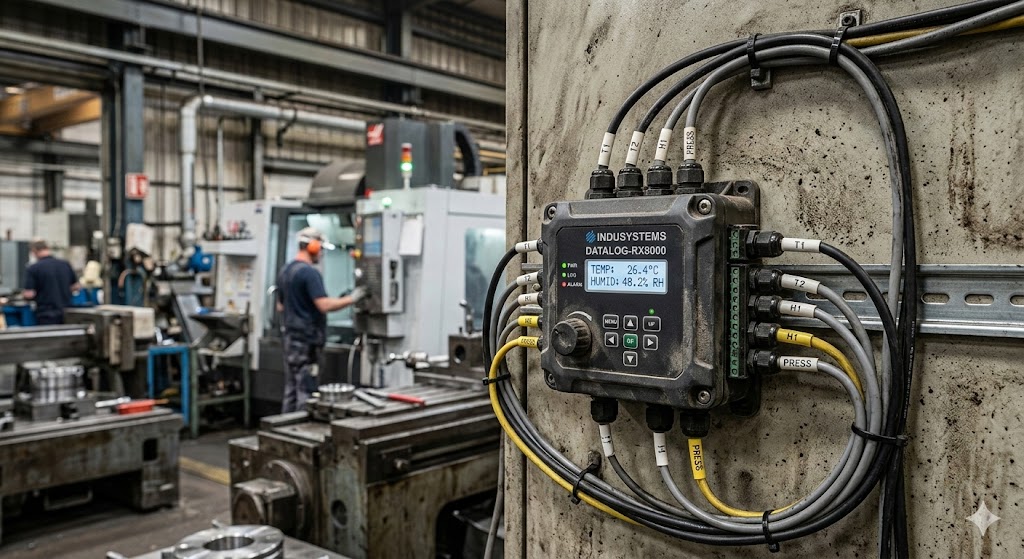
Cellular industrial routers have become the primary connectivity solution for a vast range of NSW industrial applications, offering the combination of broad geographic coverage, rapid deployment, and competitive ongoing costs that make them the practical first choice for remote assets, mobile infrastructure, and sites where fixed-line connectivity is unavailable, unreliable, or prohibitively expensive to establish. Esis supplies cellular industrial routers from leading manufacturers designed specifically for the demands of industrial operational technology environments.
4G LTE industrial routers currently represent the mainstream cellular connectivity platform for NSW industrial deployments, providing the bandwidth, latency characteristics, and network availability needed to support SCADA telemetry, remote access, video streaming, and IoT data aggregation across most metropolitan and regional NSW locations. Modern 4G industrial routers include features such as dual SIM failover, load balancing across multiple carriers, and integrated VPN support that make them suitable for genuinely mission-critical industrial connectivity applications.
5G industrial routers represent the emerging frontier of cellular connectivity for NSW operations, delivering substantially higher bandwidth and significantly lower latency than 4G infrastructure in areas where 5G network coverage is available. For NSW industrial applications involving high-definition video analytics, real-time process control over cellular links, dense IoT sensor networks, or private campus network deployments, 5G industrial routers open connectivity possibilities that were previously achievable only through expensive fixed-line or licensed radio infrastructure.
Multi-carrier capability is one of the most important features to evaluate when selecting a cellular industrial router for NSW deployments, particularly for sites located in areas where any single carrier's coverage or performance may be variable. Industrial routers that support automatic failover between multiple carrier SIMs ensure that connectivity is maintained when one network experiences congestion, degradation, or outages, providing the resilience that critical NSW operational technology applications require.
Router management and remote configuration capabilities are essential operational considerations for NSW businesses deploying cellular routers across multiple sites or in locations that are difficult or expensive to access physically. Enterprise-grade industrial routers support centralised management platforms that allow firmware updates, configuration changes, performance monitoring, and fault diagnostics to be handled remotely, reducing the operational cost and response time associated with maintaining distributed router infrastructure across a NSW network.
Esis manages the complete cellular industrial router deployment process for NSW clients, from carrier selection and SIM provisioning through hardware configuration, installation, and ongoing network management. Our team's experience across Telstra, Optus, and Vodafone industrial data services ensures that NSW clients receive the most appropriate carrier solution for their geographic location and application requirements, with ongoing support that keeps their cellular connectivity performing optimally throughout the life of the deployment.
3. Fixed Line & Radio Modems
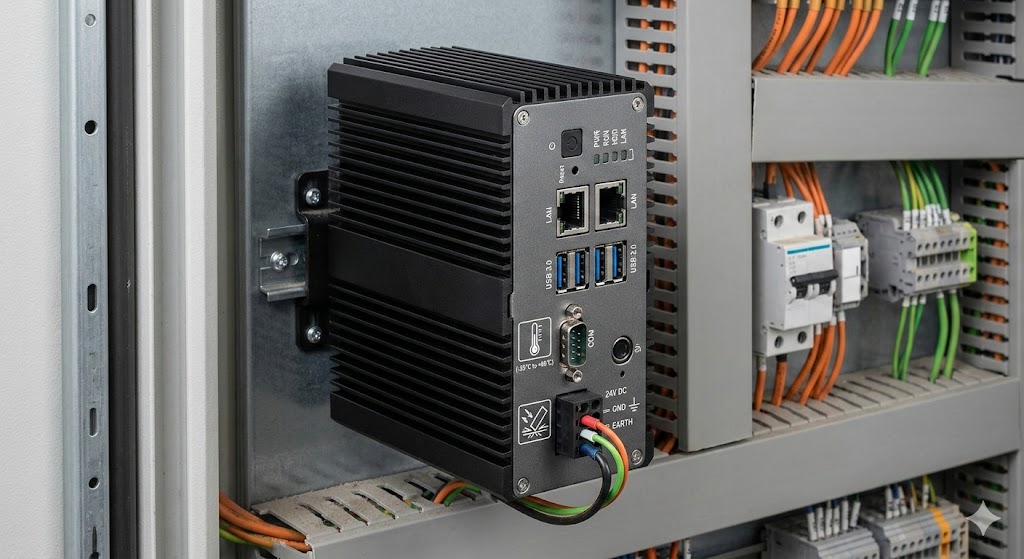
Fixed line and radio modems remain essential components of NSW industrial communication networks, particularly in applications where the deterministic performance, low latency, and high reliability of dedicated communication links outweigh the flexibility and cost advantages of cellular alternatives. Esis supplies and supports a comprehensive range of fixed line and radio modem solutions for NSW industrial clients whose connectivity requirements demand the consistent, interference-resistant performance that dedicated communication infrastructure provides.
DSL and fibre-connected industrial modems provide high-bandwidth, low-latency fixed connectivity for NSW industrial sites where carrier infrastructure is accessible and the operational profile justifies a permanent fixed-line connection. These solutions are particularly well suited to primary SCADA host connections, large-site data concentrators, and operations generating substantial data volumes that would be cost-prohibitive to transmit continuously over cellular networks.
Serial and dial-up industrial modems continue to serve important roles in NSW industrial networks where legacy field equipment communicates over RS-232, RS-485, or PSTN interfaces that predate modern IP networking. Esis supports the integration of these legacy communication technologies into contemporary network architectures, providing the protocol conversion, serial-to-IP bridging, and remote access capabilities that allow older but operationally essential field devices to participate in modern monitoring and control networks without costly equipment replacement.
Licensed and unlicensed radio modems provide wireless communication links for NSW industrial applications where cellular coverage is absent or inadequate and fixed-line infrastructure cannot reach the required locations. Point-to-point and point-to-multipoint radio systems operating in licensed frequency bands deliver the interference protection and guaranteed performance characteristics needed for critical telemetry and control applications across NSW water utilities, mining operations, and remote infrastructure sites.
Private radio networks using industrial radio modems give NSW utilities, water authorities, and large infrastructure operators complete control over their communication infrastructure, eliminating the dependence on public carrier networks that introduces external vulnerability into mission-critical operational technology systems. Esis designs and deploys private radio communication networks across New South Wales, providing the engineering expertise in frequency planning, antenna design, and network topology that these specialised deployments require.
Hybrid communication architectures that combine fixed line primary connections with cellular or radio backup links represent the highest-resilience connectivity configuration available for NSW industrial operations where communication continuity is absolutely non-negotiable. Esis engineers these hybrid solutions to ensure automatic, seamless failover between communication paths, maintaining operational technology network connectivity even through events that would disable any single-technology communication approach.
4. IoT Integration
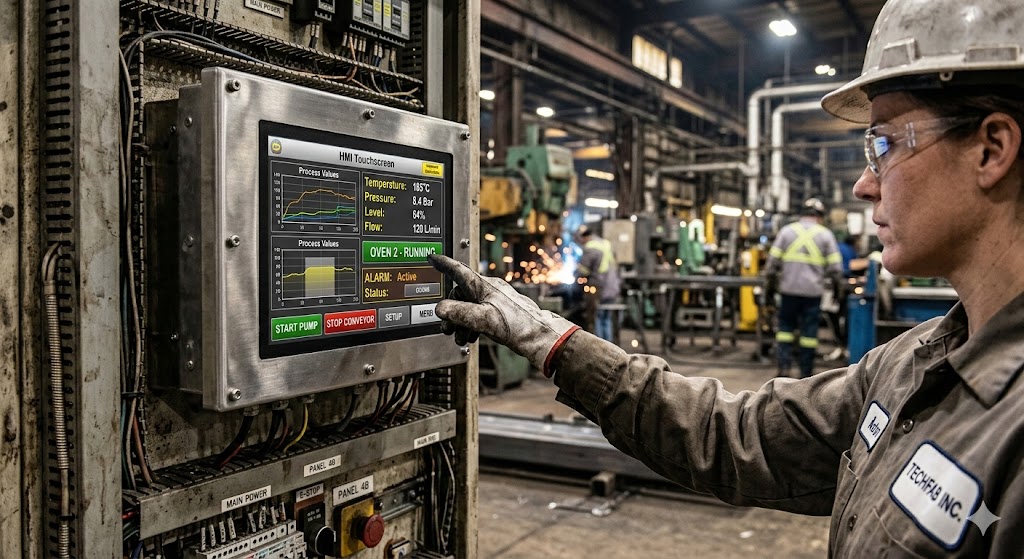
The Industrial Internet of Things is transforming NSW industrial operations by connecting previously isolated field devices, sensors, and assets into integrated networks that generate continuous streams of operational data with genuine business value. Industrial modems and routers sit at the centre of every IoT deployment, providing the communication gateway that connects distributed field devices to cloud platforms, SCADA systems, and enterprise analytics tools that turn raw sensor data into actionable operational intelligence.
IoT-ready industrial routers for NSW deployments support a wide range of field device communication protocols including Modbus RTU, Modbus TCP, DNP3, IEC 61850, MQTT, and OPC-UA, enabling seamless integration between legacy industrial equipment and modern IoT platforms without requiring wholesale replacement of existing field instrumentation. This protocol versatility makes IoT-capable industrial routers the practical connectivity bridge between the installed base of existing operational technology and the cloud-connected monitoring and analytics capabilities that drive efficiency improvement.
Edge computing capability in modern industrial routers allows NSW operations to pre-process and filter IoT data at the network edge before transmission, reducing bandwidth consumption, minimising cloud processing costs, and enabling local decision-making and alarm responses that do not depend on round-trip communication with a central platform. For NSW industrial applications in remote locations or bandwidth-constrained cellular coverage areas, edge intelligence transforms what is practical from a data management perspective.
Cellular IoT connectivity options including NB-IoT and LTE-M provide low-cost, low-power communication solutions for large-scale sensor deployments across NSW industrial and infrastructure sites where individual sensor data volumes are small but device counts are high. These narrowband cellular technologies enable cost-effective connectivity for applications including water meter telemetry, asset tracking, environmental monitoring, and distributed equipment status reporting across geographically dispersed NSW operational networks.
Security is the most critical consideration in any NSW industrial IoT deployment, as the same network connectivity that enables valuable data collection also creates potential pathways for unauthorised access to operational technology systems that control physical processes with real safety and environmental consequences. Esis designs IoT connectivity solutions with security architecture at their core, implementing network segmentation, encrypted communications, device authentication, and access controls that protect NSW industrial IoT networks from both external threats and lateral movement risks.
Esis supports the complete IoT integration journey for NSW industrial clients, from initial connectivity assessment and platform selection through device provisioning, network configuration, data pipeline design, and integration with existing SCADA and business intelligence systems. Our engineering team brings both the operational technology expertise and the IT integration knowledge needed to bridge these traditionally separate domains successfully, delivering IoT connectivity solutions that generate real operational value for NSW businesses rather than simply adding network complexity.
5. Security & Data Protection
Security in industrial networks carries consequences that extend far beyond the data breaches and reputational damage that motivate cybersecurity investment in IT environments. For NSW industrial operations, a compromised network can mean manipulated process controls, disabled safety systems, disrupted utility supply, or physical damage to equipment that creates real-world safety and environmental risks alongside operational and financial consequences. Industrial modem and router security must therefore be engineered to a standard commensurate with the severity of what an attack could actually cause.
Network segmentation for NSW operational technology networks begins with isolating operational technology systems from corporate IT networks and the public internet while maintaining the controlled data flows that business integration requires. Esis designs segmented network architectures using industrial firewalls, demilitarised zones, and unidirectional security gateways that enforce strict separation between the operational and corporate domains without creating the operational blind spots that complete isolation would introduce.
VPN technology implemented through industrial routers provides the encrypted communication tunnels that allow NSW industrial businesses to access remote assets, transfer operational data, and support field devices securely over public network infrastructure including cellular and fixed broadband services. Esis configures and manages site-to-site and remote access VPN solutions that meet the security standards required by critical infrastructure operators, utilities regulators, and corporate IT governance frameworks across New South Wales.
Authentication and access control on industrial modems and routers ensure that only authorised personnel and systems can access the communication infrastructure that underpins NSW operational technology networks. Multi-factor authentication, role-based access control, certificate-based device authentication, and comprehensive access logging are security features that Esis implements as standard across industrial connectivity deployments for clients where regulatory compliance or corporate security policy demands verifiable access governance.
Firmware management and vulnerability patching represent ongoing security obligations for NSW operators of industrial network infrastructure that are frequently underestimated in their operational complexity and importance. Industrial routers accumulate known vulnerabilities over time that require timely patching to prevent exploitation, but unplanned firmware updates in live operational technology environments carry their own risks. Esis provides managed firmware update services for NSW clients that balance security currency with operational continuity through tested, scheduled update processes that minimise disruption risk.
Continuous network security monitoring for industrial connectivity infrastructure gives NSW operations the visibility needed to detect anomalous behaviour, unauthorised access attempts, and potential intrusion activity before it results in operational impact. Esis offers network security monitoring services that apply industrial protocol awareness to traffic analysis across NSW clients' operational technology networks, identifying threats that generic IT security monitoring tools may not recognise or correctly contextualise within an industrial operational environment.
6. Remote Monitoring Systems
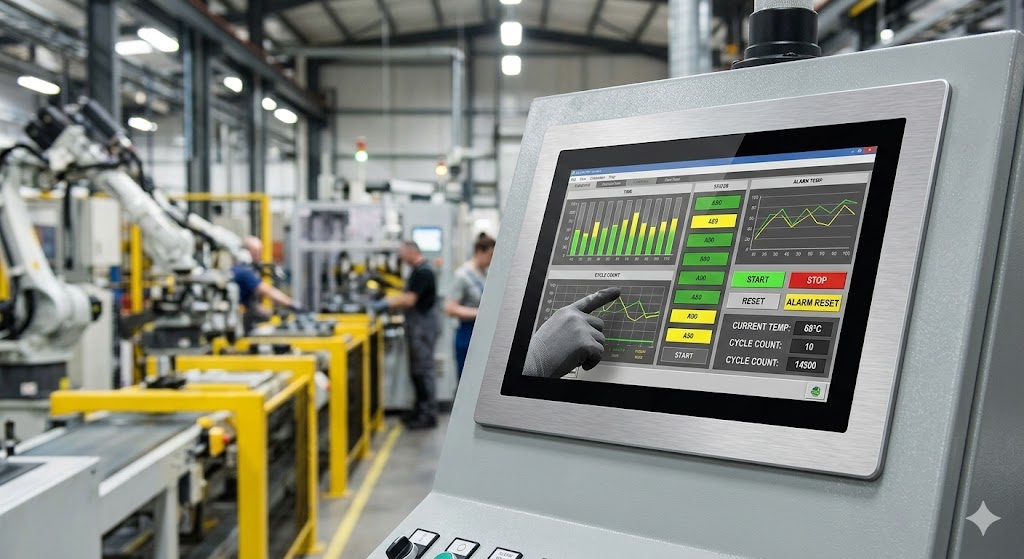
Remote monitoring through industrial modems and routers has fundamentally changed what is operationally and economically achievable for NSW businesses managing assets and infrastructure across large geographic areas. Where continuous oversight of remote sites once required permanent on-site staffing or expensive scheduled site visits, industrial connectivity now delivers real-time visibility over every monitored parameter at every location from a single centralised interface, transforming the economics and effectiveness of NSW asset management.
SCADA integration is the most established application of industrial remote monitoring connectivity for NSW utilities, water authorities, and infrastructure operators. Industrial routers and modems provide the communication backbone that carries telemetry from remote RTUs and PLCs back to the SCADA host, delivering the real-time operational data that control room operators need to manage geographically distributed networks of pumping stations, substations, water treatment facilities, and pipeline infrastructure safely and efficiently.
Remote access to field devices through industrial routers allows NSW engineering and maintenance teams to interrogate PLC programs, adjust setpoints, download data logs, and diagnose faults at remote sites without travelling to the location. This capability reduces response times from hours to minutes for many fault diagnosis and parameter adjustment tasks, significantly lowering the operational cost of maintaining distributed infrastructure while simultaneously improving the speed and quality of technical support delivered to remote NSW assets.
Alarm and event notification over industrial communication links ensures that NSW operations teams are immediately informed when conditions at remote sites move outside acceptable parameters, regardless of whether anyone is actively monitoring the SCADA display at the time the event occurs. Industrial routers that support email, SMS, and push notification alarm delivery over cellular links provide the around-the-clock alerting capability that remote asset management demands, keeping NSW operations teams informed and responsive at all hours.
Video surveillance integration through industrial routers extends remote monitoring from process data to visual situational awareness for NSW facilities and infrastructure sites. Industrial-grade routers with sufficient bandwidth support high-definition camera feeds from remote locations, enabling security monitoring, maintenance inspection, and incident investigation without physical site attendance, delivering both operational efficiency and enhanced security governance for NSW assets in remote or challenging locations.
Esis designs and deploys complete remote monitoring connectivity solutions for NSW clients across water, energy, transport, mining, and industrial sectors, integrating communication hardware, SCADA connectivity, alarm management, and remote access infrastructure into cohesive systems that deliver genuine operational value. Our local engineering team understands the specific connectivity challenges of NSW geography, from metropolitan industrial estates to the remote regional infrastructure sites where reliable communication is both most difficult and most valuable to achieve.
7. Local NSW Support
Local support is not simply a commercial convenience when it comes to industrial connectivity infrastructure — it is an operational necessity for NSW businesses where network downtime has direct and immediate consequences for safety, production continuity, regulatory compliance, and revenue. Esis maintains a NSW-based engineering and service team with the technical capability, local knowledge, and rapid response commitment that industrial connectivity clients need from a long-term infrastructure partner.
Esis engineers bring hands-on experience across the full range of industrial communication technologies deployed in NSW operations, combining deep knowledge of networking hardware with practical understanding of the SCADA, PLC, RTU, and IoT platforms that depend on that hardware to function. This dual expertise — networking and operational technology — means Esis can diagnose and resolve connectivity issues that sit at the intersection of communication infrastructure and industrial control systems, which is precisely where the most operationally consequential problems tend to occur.
On-site installation and commissioning by Esis technicians ensures that industrial modems and routers are correctly configured, securely mounted, properly earthed, and fully tested in the actual operational environment before handover. Remote pre-configuration and bench testing prior to site deployment reduces installation time and minimises operational disruption, while on-site verification confirms that every device performs as specified under the real electromagnetic, temperature, and connectivity conditions of the NSW facility or infrastructure location.
Ongoing maintenance and support services from Esis give NSW clients the confidence that their industrial connectivity infrastructure will continue performing throughout its operational life without requiring internal IT or engineering resources to manage hardware, firmware, carrier relationships, and network performance. Esis service agreements cover preventive maintenance, performance monitoring, fault response, firmware management, and hardware replacement, providing comprehensive infrastructure lifecycle management for NSW clients who want expert support without the overhead of dedicated internal resources.
Training and knowledge transfer are integral components of the Esis support offering for NSW industrial connectivity clients, ensuring that your internal engineering and operations teams understand how to operate, monitor, and perform basic maintenance on the communication infrastructure Esis installs. Well-trained internal teams can handle routine operational tasks confidently and provide Esis with accurate, useful information when escalated support is needed, improving response efficiency and reducing the total cost of infrastructure support over time.
As NSW industrial operations evolve, their connectivity requirements change, and Esis is committed to supporting that evolution as a long-term infrastructure partner rather than a transactional equipment supplier. Whether your organisation is expanding to new sites, adopting new IoT platforms, upgrading to 5G connectivity, or restructuring your operational technology network architecture, the Esis team brings the experience, the supplier relationships, and the local presence to guide and deliver that evolution efficiently and with minimal disruption to your ongoing NSW operations.